
From Chaos To Predictable Operations

Operations Management: Key Takeaways
- Predictable operations start with disciplined systems. Clear workflows, defined ownership, and structured operations management outperform reactive hiring
- AI enhances execution, it doesn’t replace it. Automation removes repetitive friction so teams can focus on high-impact work
- Offshore dedicated teams extend capacity with control. Embedded global talent provides scalable support without sacrificing quality or accountability
- Stability drives growth. When systems, AI, and global teams work together, operations become a strategic advantage, not a bottleneck
Operations rarely collapse overnight. They drift until performance becomes inconsistent, and leaders lose visibility.
Ticket volume increases. Manual workflows multiply. Response times fluctuate. Teams work harder but feel less in control. Eventually, churn rises and costs follow.
For leaders responsible for operations management, the problem isn’t effort. It’s the lack of a system that scales with growth.
Predictable operations are built intentionally through structured workflows, disciplined oversight, and global teams embedded directly into your execution model.
In this guide, we’ll cover:
- Why operations break down as companies scale
- How AI is transforming modern IT operations management
- The role offshore outsourcing plays in stabilizing service software delivery
- How global support teams reduce churn without inflating headcount
- What a practical operations stack looks like in 2026
Build teams that deliver, not follow scripts. Get started with CoDev.
Why Operations Break Down as Companies Scale
Operational breakdown rarely happens overnight. It emerges gradually as growth outpaces structure, exposing gaps in workflows, staffing, and execution. For leaders responsible for operations management, the issue isn’t effort, it’s scalability.
Ticket Volume Grows Faster Than Teams
As demand increases, operations staffing often lags behind. Adding headcount without redesigning workflows leads to:
- Growing ticket backlogs
- Service level agreement (SLA) variability
- Increased cost per resolution
- Overloaded support teams
Sustainable growth requires aligning staffing models, processes, and technology, not simply hiring more people.
Manual Workflows Create Hidden Failure Points
Manual processes introduce risk as organizations scale. Spreadsheets, informal escalation paths, and inconsistent documentation create inefficiencies that slow execution and impact service quality.
Effective IT operations management replaces manual effort with structured workflows, automation, and clearly defined ownership. When processes are standardized, teams operate with consistency and confidence.
When Support Becomes Reactive Instead of Predictable
Reactive environments are easy to recognize. Instead of managing performance proactively, teams are forced to respond to issues as they arise.
Common indicators of reactive operations include:
- Inconsistent response and resolution times
- Escalations caused by unclear ownership
- Dependence on individual contributors to resolve recurring issues
- Difficulty maintaining SLA targets during periods of growth
- Rising operational costs without measurable performance gains
Stability comes from disciplined operations management, structured processes, and global teams that take ownership of execution. The strongest operators extend coverage through embedded offshore teams rather than stretching internal staff beyond capacity.
From Firefighting to Predictable Operations
As organizations scale, reactive operations become unsustainable. Constant escalation, shifting priorities, and inconsistent performance create instability across teams and customer experiences.
What Predictable Operations Actually Mean
Predictable operations are built on clarity, accountability, and measurable performance. Workflows are defined, ownership is clear, and service levels are monitored consistently. Standardized SOPs ensure that execution does not depend on individual effort, while capacity planning aligns staffing with demand.
When these elements are in place, leaders gain visibility into performance and can proactively manage growth instead of reacting to operational strain.
Standardized Processes Beat Heroics Every Time
Many organizations rely on high-performing individuals to maintain service levels, but heroics do not scale. Sustainable operations management depends on structured systems that support consistent execution across teams and shifts.
By capturing institutional knowledge and reinforcing repeatable processes, organizations create stability that extends beyond individual contributors. This approach improves service quality, reduces variability, and supports long-term operational resilience.
Why Pragmatic Leaders Choose Systems Over Headcount
Adding headcount may provide short-term relief, but without structured processes, complexity and costs continue to rise. Pragmatic leaders focus on designing efficient systems before expanding teams, ensuring that each additional resource contributes measurable value.
A well-structured offshore dedicated team doesn’t just add capacity, it integrates into your systems, aligns with your standards, and takes ownership of outcomes.
Combined with disciplined operations management, this model enables organizations to scale confidently without sacrificing service quality.
How AI Is Transforming Operations Management
AI is quietly improving how operations run: removing manual friction, tightening routing logic, and improving visibility across teams.
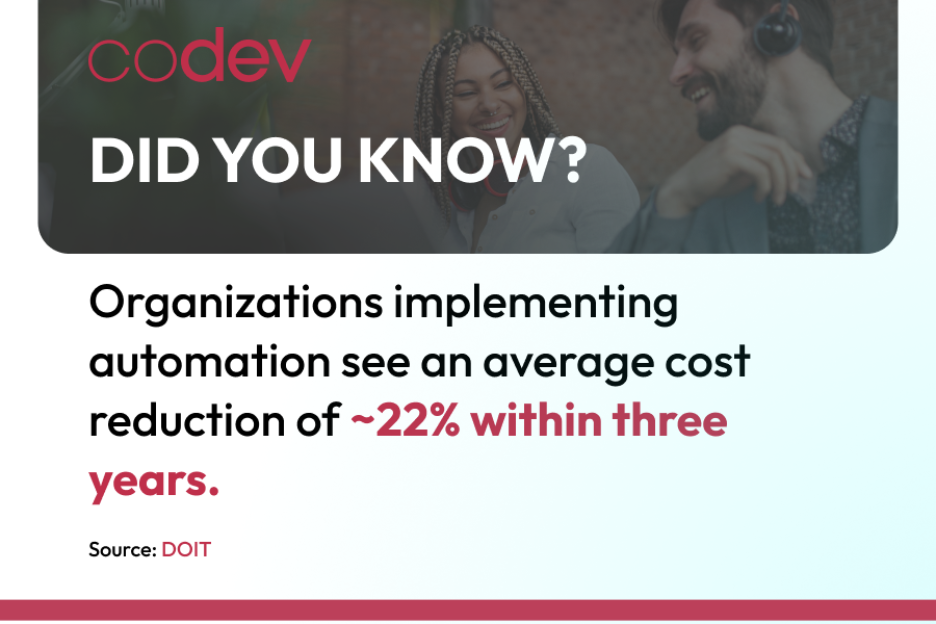
Automating the 30%-40% of Work That Slows Teams Down
Across most operations environments, a significant portion of workload is repetitive and time-consuming. These routine tasks drain productivity and limit a team’s ability to focus on higher-value work.
AI helps streamline common operational tasks such as:
- Repetitive ticket handling and categorization
- Manual tagging and data entry
- Routine status updates and follow-ups
By automating these processes, organizations reduce response times, minimize human error, and improve operational consistency without expanding headcount
AI for Triage, Routing, and Resolution
AI-driven tools enhance decision-making and execution within operations management by improving how work flows through support and service teams. This results in faster resolutions and greater transparency across workflows.
Key capabilities include:
- Smart routing: Automatically directing requests to the right team or specialist
- SLA risk alerts: Identifying and escalating issues before service levels are impacted
- Knowledge surfacing: Providing relevant information to agents in real time to accelerate resolution
These capabilities enable organizations to maintain performance standards while managing increasing demand with confidence.
Outcomes matter more than headcount. See how CoDev delivers.
A Practical Operations Stack for 2026
There isn’t a single tool that fixes operations. What works is a structured stack, automation, embedded global talent, and disciplined oversight working together.
Here’s what a modern operations stack looks like in 2026:
Layer 1: AI Automation
Purpose: Remove friction and accelerate execution
AI serves as the first line of operational efficiency, handling repetitive workflows and enabling teams to focus on higher-impact work. Within modern IT and support environments, automation enhances speed without compromising accuracy.
Core capabilities:
- Triage: Automatically categorizes and prioritizes incoming requests
- Routing: Assigns tasks to the right teams based on expertise and urgency
- Basic resolution: Handles routine inquiries such as status updates and simple troubleshooting
Impact: Faster response times, reduced manual workload, and more consistent service delivery.
Layer 2: Offshore Dedicated Teams
Purpose: Provide scalable execution with long-term continuity
At the center of a resilient operations model is a structured offshore dedicated team. Unlike transactional outsourcing, dedicated teams integrate directly into your systems and workflows, operating as a seamless extension of your organization.
What sets this model apart:
- Embedded global support: Teams work within your tools, processes, and performance standards
- Structured execution: SOP-driven delivery ensures reliability and accountability
- Long-term ownership: Stable team retention builds institutional knowledge and supports continuous improvement
This approach reflects a mature business process outsourcing strategy, one designed for stability, not short-term cost reduction.
Layer 3: Governance & Continuous Improvement
Purpose: Maintain control, visibility, and operational discipline
Even the strongest systems require oversight. Effective operations management depends on transparent reporting, clear performance metrics, and structured improvement cycles that keep execution aligned with business goals.
Essential components include:
- SLA dashboards for real-time performance tracking
- Quality assurance reviews to reinforce standards and identify optimization opportunities
- Operational visibility through structured reporting and ongoing performance evaluations
Outcome: Greater accountability, stronger consistency, and data-driven decision-making that supports long-term growth.
Building Predictable Operations with the Right Global Partner
Predictable operations aren’t built by working harder. They’re built through disciplined systems, embedded global talent, and clear performance accountability.
As organizations scale, maintaining service quality and operational stability requires more than incremental improvements. It requires intentional operations management combining automation, structured workflows, and offshore dedicated teams designed for long-term execution.
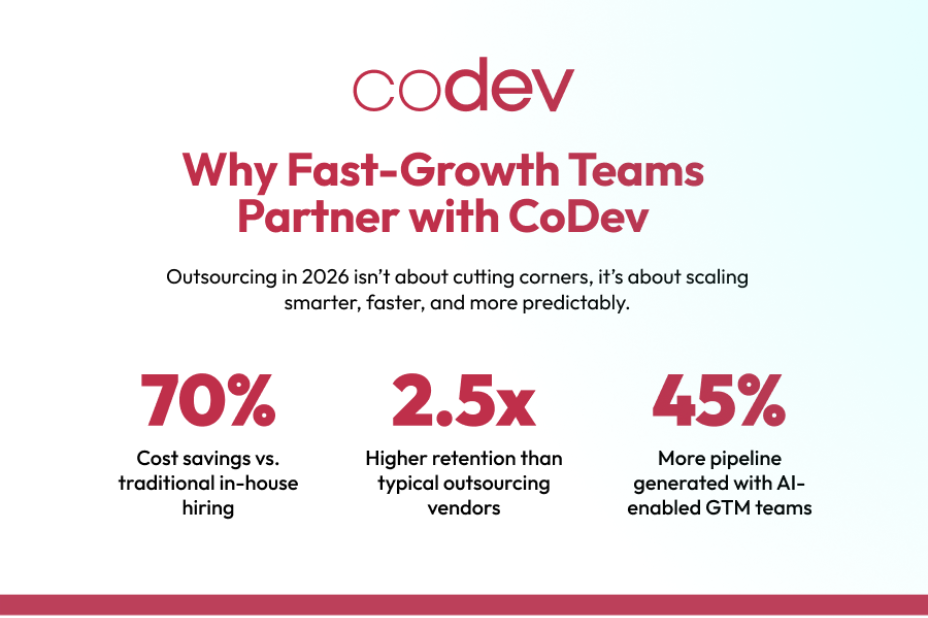
At CoDev, we work as a part of your team. Our global professionals integrate into your systems, align with your culture, and take ownership of outcomes, delivering the reliability and transparency required to grow with confidence.
When structure, technology, and global talent work together, operations stop being reactive. They become a strategic advantage to achieve success.
The right teams feel like your own. Build your team with CoDev.
Predictable Operations, Global Support Teams, and AI: FAQs
What is operations management, and why is it critical for scaling companies?
Operations management is the discipline of designing, overseeing, and optimizing business processes to ensure consistent performance, efficiency, and service quality. As companies scale, effective operations management becomes essential for maintaining reliability, controlling costs, and supporting customer experience without operational disruption.
How does AI improve operations management?
AI enhances operations management by automating repetitive tasks, improving workflow visibility, and accelerating decision-making. Common applications include ticket triage, intelligent routing, SLA monitoring, and knowledge surfacing. By reducing manual workload, AI enables teams to focus on complex issues while maintaining faster response times and consistent service delivery.
What is an offshore dedicated team?
An offshore dedicated team is a group of full-time professionals based in another country who work exclusively for your organization. Unlike shared outsourcing models, these teams integrate directly into your systems, workflows, and culture, providing long-term operational support and continuity.
How does offshore outsourcing support predictable operations?
Offshore outsourcing helps stabilize operations by extending coverage, improving staffing flexibility, and reducing operational costs. When structured correctly with embedded teams, standardized processes, and clear governance, offshore outsourcing enables organizations to maintain service consistency and scale operations without compromising quality or visibility.
What is the difference between offshore staffing and traditional outsourcing?
Traditional outsourcing often relies on shared resources and transactional service delivery. Offshore staffing, particularly through dedicated teams, provides consistent support aligned with your processes, performance standards, and business objectives.
Can AI and offshore teams work together effectively?
Yes. AI and offshore teams complement each other by combining automation with human expertise. AI handles repetitive tasks such as triage, routing, and basic resolutions, while offshore teams manage complex workflows, customer interactions, and operational execution.
How do global support teams reduce customer churn?
Global support teams improve customer retention by ensuring consistent service availability, faster response times, and reliable resolution processes. With extended coverage across time zones and disciplined operations management practices, organizations can maintain high service standards and build trust with customers at scale.
Move faster without burning out your core team. Scale smarter with CoDev.